Thinking About Farm Fencing for Your Boise Property?
So, you’ve got some land here in Boise, maybe a few acres out towards Eagle or up past the foothills, and you’re thinking about putting in some farm fencing. Good for you. Whether you’ve got a couple of horses, some goats, or just want to define your property lines with a classic look, farm fencing is a solid choice. But before you grab a shovel, let's talk about what you're really getting into. I’ve seen a lot of folks jump into this thinking it’s a weekend project, and then they’re calling me a month later, frustrated and with a sore back. Let’s break down what you can realistically do yourself and when you absolutely need to call in the cavalry.
Before You Start: Planning is Everything
You wouldn't build a house without a blueprint, right? Same goes for a fence, especially a farm fence. This isn't just about looks; it's about containing animals, defining boundaries, and standing up to our crazy Boise weather – those hot summers and the occasional heavy winter snow we get. First thing, figure out your 'why.' What are you trying to keep in or out? Horses need something sturdy and visible, often with a smooth top rail to prevent injury. Goats? They’re escape artists, so you’ll need something tight and tall. Chickens? Predator protection is key.
Next, know your property lines. This sounds obvious, but you’d be amazed how many disputes start because someone assumed where their line was. Get a survey if there’s any doubt. It’s way cheaper than moving a fence later. Then, check with Ada County Development Services or your local city planning department about any zoning regulations or permits. Some areas have height restrictions or rules about fence types, especially if you're near a subdivision or a main road. You don't want to put in all that work only to find out you have to tear it down.
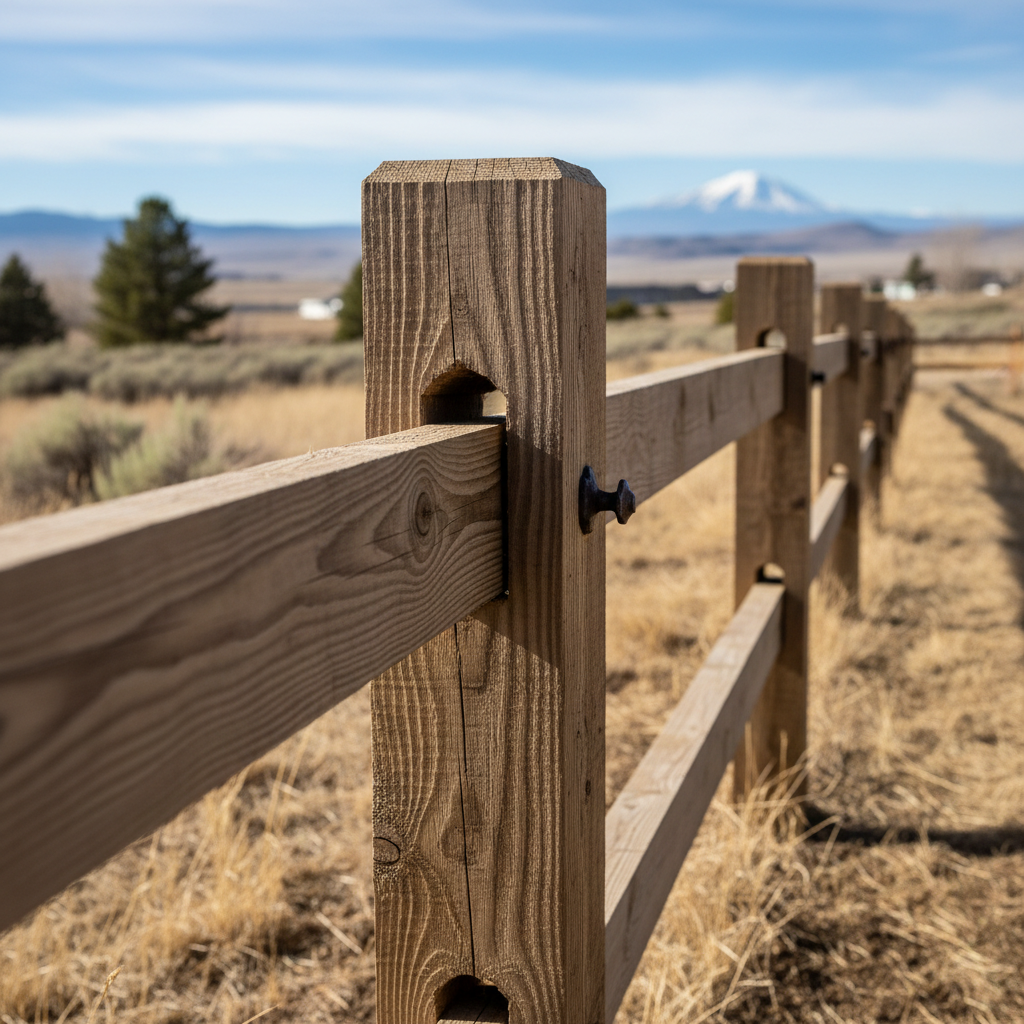
Think about materials too. Wood post and rail is classic, but it needs maintenance. Woven wire or barbed wire (if allowed and appropriate for your animals) is more economical but less aesthetic for some. High-tensile wire is strong and durable. Each has its pros and cons, and your budget will play a big role here. Don't forget gates! You'll need sturdy ones that are wide enough for any equipment you might need to get through.
The Installation Process: Where DIY Gets Tricky
Okay, you’ve got your plan. Now for the actual work. Here’s the deal: setting posts is the backbone of any good fence. If your posts aren't solid, your fence won't be either. Digging post holes in Boise soil can be a real challenge. We've got a lot of rocky, hard-packed earth, especially once you get outside the old riverbeds. Hand digging is brutal. A gas-powered auger can help, but they're heavy, can kick back, and still struggle with big rocks. If you're doing a few dozen posts, you're going to feel it.
For a few simple, straight runs, and if you’re comfortable with power tools and a lot of manual labor, you might be able to handle setting posts and running wire or rails yourself. But consider this:
- Corner and Brace Posts: These are critical. They take all the tension from the fence line. If they're not set deep and properly braced, your fence will sag and fail. This isn't just digging a hole; it's about creating a strong, stable anchor.
- Tensioning Wire: If you're using woven or high-tensile wire, getting it properly tensioned is an art. Too loose, and it sags; too tight, and it can snap or pull your posts out of alignment. You need specialized tools for this, like a wire stretcher.
- Uneven Terrain: Most properties aren't perfectly flat. Fencing on slopes or uneven ground requires careful planning to maintain consistent height and tension. It's not just running a straight line.
- Time and Tools: Do you have a post-hole digger, post pounder, wire stretchers, crimping tools, levels, string lines, and all the other bits and pieces? Renting them adds up, and buying them for a one-off project might not make sense.
Honestly, for anything more than a small, simple paddock, or if you're dealing with challenging terrain or a large number of posts, this is where you call in a pro. We've got the heavy equipment – hydraulic post pounders, specialized augers – that can get through that tough Boise ground quickly and efficiently. We also know the tricks for bracing, tensioning, and making sure your fence stands strong for years. At Oasis Fencing Co, we've put up enough miles of farm fence to know what works and what doesn't in this valley.
After Installation: Maintenance Matters
Once your fence is up, the work isn't entirely over. Farm fences, especially wood, need regular checks. Look for loose wires, broken rails, or leaning posts. Our freeze-thaw cycles can wreak havoc on posts, especially if they weren't set deep enough or properly drained. Animals will also test your fence, so be prepared for occasional repairs.
For wood fences, consider staining or sealing to protect against sun and moisture. Inspect gates regularly; hinges can sag, and latches can fail. A well-maintained fence lasts longer, looks better, and most importantly, keeps your animals safe and where they belong.
So, can you DIY farm fencing? For a small, straightforward project, maybe. But for anything substantial, or if you want it done right the first time without the headaches and backaches, bringing in a local professional is usually the smarter move. We're here to help if you decide that digging a hundred post holes isn't how you want to spend your next few weekends.