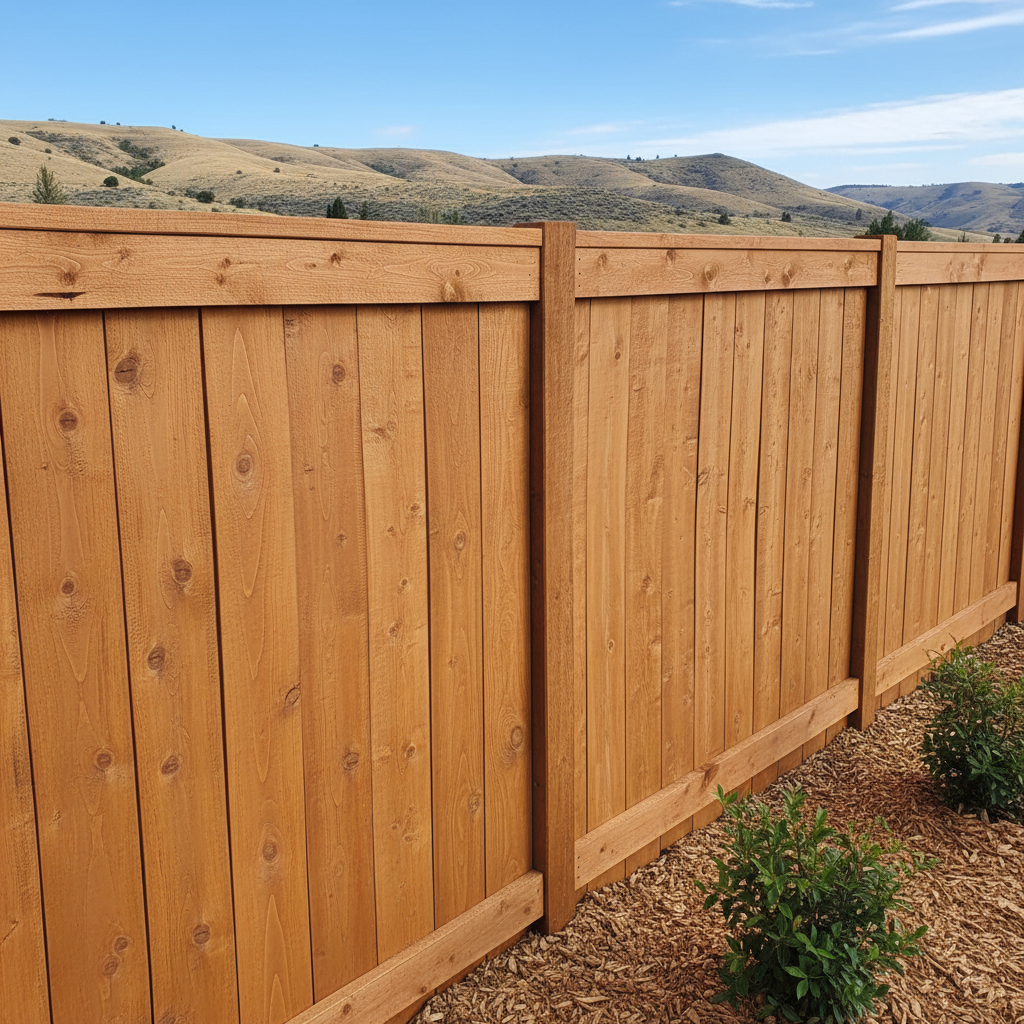
A privacy fence can really change your backyard for the better. Maybe you're trying to keep the dog from wandering off, or perhaps you just want some peace and quiet away from the neighbors. Whatever the reason, before you even think about grabbing a shovel, let's chat about what actually goes into putting up a privacy fence right here in Boise.
Before You Start: Planning is Everything
You wouldn't build a house without a blueprint, right? Well, a fence is no different. First things first, you've got to know your property lines. Seriously, don't just guess. Dig out your survey or call a surveyor. Nothing causes more headaches than accidentally building on your neighbor's land. Next, touch base with the City of Boise Planning & Zoning Department. They have specific rules about fence height, how far back it needs to be, and even what materials you can use, especially if you're in a historic area like the North End or close to a busy street. You'll probably need a permit, and trust me, getting caught without one is a much bigger headache than just getting it done upfront.
Think about the kind of privacy you're actually after. Do you want full, solid privacy, like a panel fence? Or something with a bit more airflow, maybe a board-on-board style? Wood is a classic choice and offers great privacy, but it does need upkeep. Vinyl, on the other hand, is pretty low-maintenance, though it can cost more initially. Steel or aluminum fences can offer some privacy if designed right, but usually, people pick those more for security or just how they look.
The DIY Dilemma: Can You Really Do It Yourself?
Okay, let's be real. Can a homeowner put up a privacy fence? Absolutely, if you're handy, have the right tools, and can dedicate a good chunk of time to it. Here's a glimpse of what you'd be signing up for:
- Digging Post Holes: This is often the toughest physical part. Boise soil can be a real challenge, especially if you hit one of those dense clay patches or river rock deposits we've got in some areas. A post-hole digger is essential, but a gas-powered or hydraulic auger will really save your back. You need to dig deep enough for stability—usually 24-36 inches, depending on the fence's height and our local frost lines.
- Setting Posts: This step is crucial for a straight, strong fence. Posts need to be perfectly plumb (that's straight up and down) and set in concrete. If your posts aren't lined up, your fence will look crooked and won't last as long.
- Framing and Paneling: Once the posts are set, you'll attach the rails, then the pickets or panels. This part demands precise cutting, careful measuring, and a good eye for consistency.
- Gates: Building a gate that hangs straight, opens smoothly, and latches securely? That's often the trickiest bit of a DIY fence project. You've got to think about sag and make sure you use the right hardware.
If you're only doing a small section, or you've got a friend helping out, DIY might be totally doable. But for a whole backyard, especially on uneven ground or with lots of corners, it's a huge project. I've seen plenty of DIY fences that start off strong, then get sloppier and sloppier as the homeowner gets tired or frustrated. That's usually when a professional, like Oasis Fencing Co., really comes in handy.
When to Call a Pro
Look, I'm a contractor, so yeah, I'm biased. But there are genuine benefits to hiring us. We've got the specialized gear—hydraulic augers, laser levels, pneumatic nail guns—that make the job faster and more accurate. We know the local codes inside and out, so you don't have to stress about permit issues. Plus, we're insured, which protects you if something goes wrong. And sometimes, things do go wrong!
You should definitely call a pro if:
- Your yard is big or has a complicated layout with lots of turns.
- Your property has noticeable slopes or uneven ground.
- You're dealing with tough soil conditions (think lots of rock or hard clay).
- You simply don't have the time, the right tools, or the physical ability for heavy labor.
- You want a warranty on the work and the materials.
- You need a specific, high-quality look that's tough to get right without experience.
Even if you're leaning towards DIY, it's smart to get a quote from a few local fence companies. You might be surprised at how competitive the pricing is, especially once you factor in the cost of tools, materials, and all your own time and effort.
After Installation: Keeping Your Privacy Fence Looking Good
So, the fence is up. What's next? If it's wood, you'll want to stain or seal it within a few months. This protects it from our harsh Boise sun and winter moisture, helping prevent warping, cracking, and rot. Plan to reapply that every few years. Vinyl fences are pretty much maintenance-free, just needing an occasional wash. Check your fence every now and then for loose boards, wobbly posts, or gate hardware that needs a little adjustment. Small fixes now can save you from bigger problems down the road.
Whether you tackle it yourself or bring in the pros, a well-installed privacy fence adds value, security, and a lot of enjoyment to your Boise home. Just make sure you do your homework first.