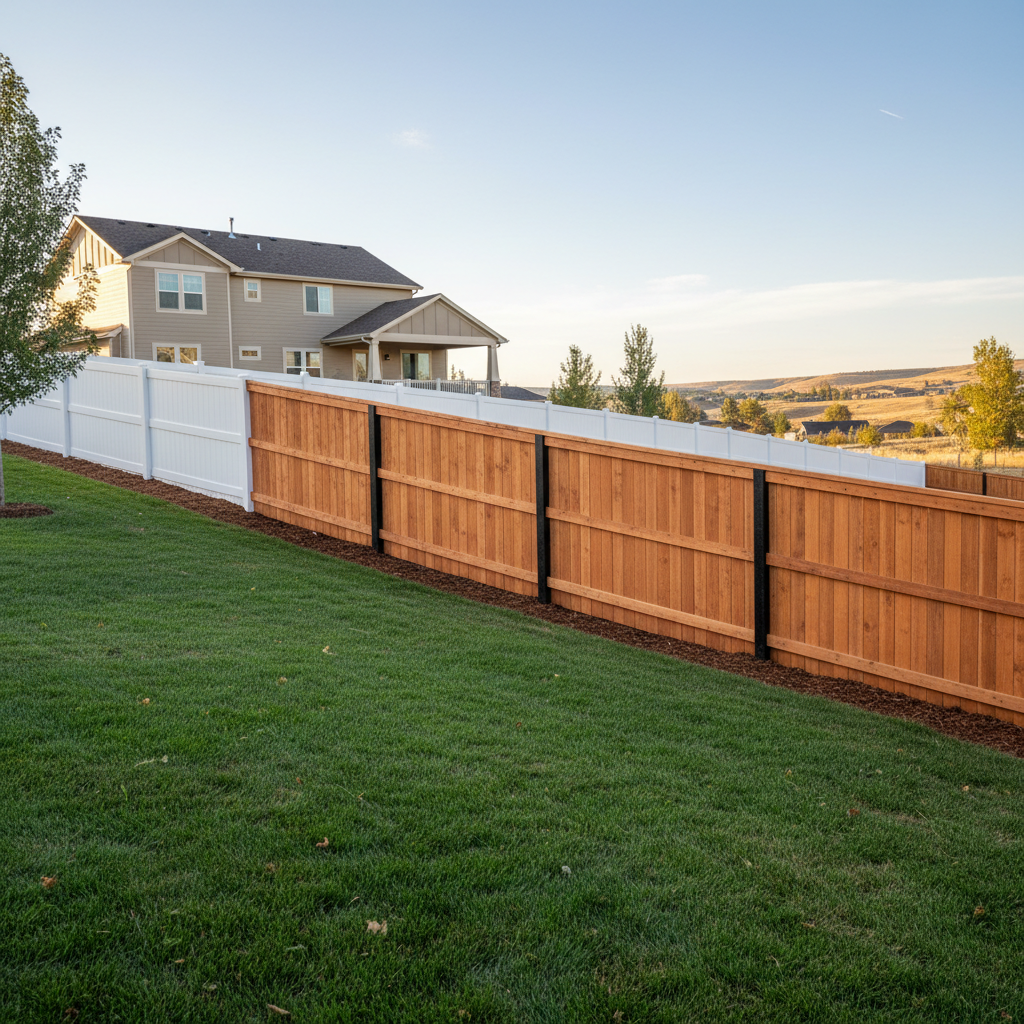
Got a fence that’s seen better days? Maybe it just needs a little sprucing up, or you’re itching for a fresh coat of color. Staining or painting a fence seems pretty straightforward, right? Well, I’ve been doing this fence work for a good long while here in Boise, and let me tell you, I’ve seen folks make some common blunders. These mistakes can turn what should be a simple project into a real headache – or worse, a complete waste of money.
Mistake #1: Skipping the Prep Work
This one’s probably the biggest offender. Everyone wants to jump straight to the fun part, the actual staining or painting. But if you don't get the prep right, that new coat just won't last. You simply can’t slap a fresh product over old, peeling paint or dirty wood. Think about it: if your fence is covered in mildew from our wet springs, or thick with dust from a dry summer, that new stain won't stick properly. It’ll peel, it’ll flake, and it’ll look awful in no time flat. You really need to clean it thoroughly, usually with a power washer (but be careful, you can damage the wood if you're not!). Then, it has to dry completely. After that, any old, loose paint needs scraping and sanding. Yeah, it’s tedious, I know, but for a finish that actually lasts, it’s absolutely non-negotiable.
Mistake #2: Choosing the Wrong Product for Boise Weather
Our weather here in Boise isn't exactly kind to fences, is it? We get those scorching, dry summers that bake the wood, followed by cold, sometimes snowy winters with all those freeze-thaw cycles. And don't forget the strong winds that kick up dust! Picking a cheap, interior-grade paint or a stain not made for exterior exposure is just asking for trouble. You need something that offers good UV protection, repels water, and can handle big temperature swings. I pretty much always suggest oil-based stains because they’re so durable and really soak into the wood – especially for the cedar fences we see all over neighborhoods like the North End. They genuinely penetrate the wood and shield it from the elements. Latex-based paints can work, but you’ve got to make sure they’re premium exterior grades. Don't try to save a few bucks here; that little extra cost upfront will save you from a full re-do in just a couple of years.
Mistake #3: Not Understanding the Difference Between Stain and Paint
This sounds super basic, but honestly, I see people get confused all the time. Paint sits right on top of the wood, creating a solid, opaque layer. It offers fantastic protection and a uniform color. Stain, on the other hand, actually penetrates the wood, letting its natural grain show through while still adding color. Stains come in different opacities: clear, semi-transparent, semi-solid, and solid. Clear and semi-transparent stains let the wood grain shine beautifully, but they offer less UV protection than solid stains or paint. Solid stains give you more color coverage, yet they still let some of the wood's texture peek through. If you love the look of natural wood, go with a stain. If you want a completely new color and maximum protection, paint might be your best bet. Just make sure you know what you're getting into before you start.
Mistake #4: Hiring the Cheapest Bid Without Asking Questions
Look, I totally get it – everyone wants a good deal. But when it comes to something like fence staining or painting, the cheapest bid often ends up being the most expensive in the long run. I’ve seen countless jobs where a homeowner picked the lowest price, and the crew either skipped crucial prep steps, used crummy materials, or rushed the whole thing. The result? A finish that failed within months. When you’re getting bids, make sure to ask:
- What specific products do you use (brand, type, opacity)?
- What’s your prep process? Do you power wash, scrape, sand?
- How many coats will you apply?
- Do you offer a warranty on your work?
- Are you insured and licensed?
A reputable contractor, like us here at Oasis Fencing Co, will be happy to answer all these questions and walk you through their process. If they can't, or they seem a little evasive, that’s a huge red flag. You want someone who stands behind their work, not just someone who can get it done fast and cheap.
Mistake #5: Ignoring the Weather Forecast
This might seem pretty obvious, but you’d be surprised how often it happens. You simply can’t stain or paint a fence in the rain, or when rain is expected. And you can’t do it when it’s too hot (the product dries way too fast, leading to ugly lap marks) or too cold (it just won’t cure correctly). For our Boise climate, the ideal time is usually spring or fall, when temperatures are moderate and the humidity isn't too high. Make sure your chosen contractor is actually paying attention to the forecast, not just trying to squeeze your job in. A good contractor will schedule around the weather, not try to fight it.
Taking a little extra time to really understand these points, ask the right questions, and choose wisely will save you a ton of grief. Plus, it ensures your fence looks fantastic for years to come. It’s an investment, after all, so treat it like one.