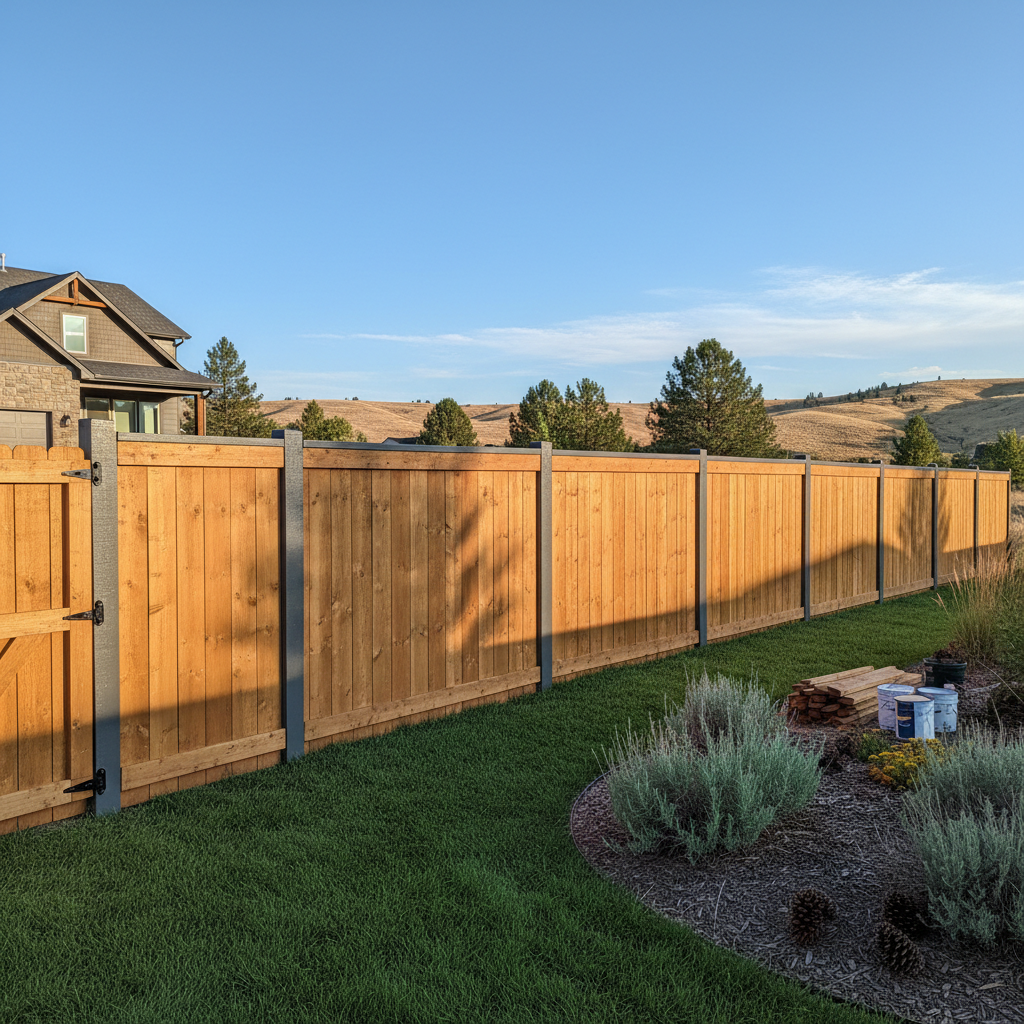
So, you're staring at your fence and thinking, "Hmm, it's time for a refresh." Maybe it's looking faded, peeling, or just a bit sad. Good for you! Protecting your investment is smart. But hold on a sec before you grab a paint brush or dial up the first company you find. Let's chat about some common blunders I see folks make right here in Boise when they're staining or painting a fence. These aren't just little oopsies; they can really cost you time, money, and a whole lot of frustration.
Mistake #1: Skipping the Prep Work (or Messing it Up)
This is probably the biggest one, honestly. It's where most DIYers—and even some so-called 'pros'—try to cut corners. You wouldn't paint a dirty wall inside your house, right? Well, the same rule applies to your fence, but it's even more crucial outdoors. Your fence has been through a lot, battling the elements: dirt, grime, mildew, harsh UV rays, maybe even some of that weird green stuff from our damp Boise winters. If you just slap new stain or paint over all that, it won't stick. And it definitely won't last.
Proper prep means getting that fence super clean. Sometimes a good power wash does the trick, but often you'll need a specific fence cleaner or a mildew remover. Then, and this part is absolutely critical, you have to let it dry completely. I mean bone dry. If you rush things, you're just trapping moisture, which leads to peeling, bubbling, and the whole job failing way too soon. Oh, and patching any holes or swapping out rotten boards *before* you start? Non-negotiable. Don't think the stain will magically hide that crumbling post; it won't, trust me.
Mistake #2: Picking the Wrong Product for Boise's Climate
Our climate here in Boise? It's no joke. We get these scorching, dry summers with intense UV exposure, then we flip to cold, wet winters. That's a serious workout for any outdoor finish. Using interior paint or some cheap, low-quality exterior stain is just asking for trouble. It'll fade fast, crack, and peel, putting you right back at square one – but with even more work to do this time.
You need products made specifically for fences and for tough outdoor conditions. Look for stains or paints that offer strong UV protection and are formulated to fight off mildew and moisture. Oil-based stains really soak into the wood and give excellent protection, though they can be a bit more effort to put on and clean up. Water-based options have gotten a lot better and are often easier to use, but make sure you're getting a high-quality one. Don't just grab the cheapest gallon on the shelf; your fence deserves better than that.
Mistake #3: Not Knowing the Difference Between Stain and Paint
This might sound obvious, but I see people get confused all the time. Stain soaks into the wood, highlighting its natural grain. It's usually translucent or semi-transparent, though you can find solid stains that offer more color. Paint, on the other hand, forms a solid, opaque layer right on top of the wood, completely covering the grain. Each has its good points and bad points.
- Stain: Usually easier to reapply later on (you often just clean and re-stain, no scraping needed). It lets the wood breathe. Less likely to peel. But it offers fewer color choices and typically doesn't last quite as long as a really well-applied paint job.
- Paint: Gives you a huge range of colors and a uniform look. Can last longer if it's put on perfectly. But it's more prone to peeling and chipping over time, especially if the prep wasn't spot-on. Repainting usually means scraping and sanding, which is a much bigger project.
Think about the look you're going for and how much maintenance you're willing to do down the road. If you've got a beautiful cedar fence, you'll probably want to stain it. If you're aiming for a specific color to match your house, paint might be the way to go.
Mistake #4: Hiring the Cheapest Bid (Without Asking the Right Questions)
I get it, everyone wants a good deal. But when it comes to something as important as protecting your fence, the cheapest bid often ends up being the most expensive in the long run. I've seen countless homeowners regret going with some fly-by-night outfit that promises the world for pennies.
Here's what to watch out for and what to ask:
- No contract or a really vague one: A professional company will give you a detailed contract that spells out the work, materials, timeline, and how you'll pay.
- No insurance: This is a huge red flag, folks. If they're not insured and someone gets hurt on your property, or they damage something, you could be on the hook. Always ask for proof of liability and worker's comp insurance.
- Cash-only deals: While some small businesses operate this way, it can signal someone trying to dodge taxes or just operating unprofessionally.
- No references or portfolio: Ask to see pictures of their past work, or better yet, talk to previous clients. A reputable company, like Oasis Fencing Co., will be proud to show off their projects.
- They don't talk about prep: If they don't go into detail about cleaning, drying, and all that other prep work, they're probably planning to skip it.
A good contractor will explain their process clearly, patiently answer your questions, and provide a straightforward, written estimate. They won't try to pressure you into signing anything on the spot, either.
Mistake #5: Ignoring Weather Conditions
This one loops right back to our Boise climate. You can't just pick any sunny day to stain or paint. Putting product on in direct, scorching sun can make it dry too fast, leading to lap marks and poor adhesion. Applying it when it's too cold or too humid can keep it from curing correctly. And obviously, don't even think about it if rain is in the forecast.
The best conditions are usually a mild, overcast day with temperatures somewhere between 50-85°F and not too much humidity. Always check the product manufacturer's recommendations for temperature and humidity ranges, though. Planning around our unpredictable spring and fall weather can be a bit tricky, but it's totally worth waiting for the right window.
Your fence is a big part of your home's curb appeal and security. Don't let these common mistakes turn a good intention into a big headache. Do your homework, ask the tough questions, and if you're not comfortable tackling it yourself, hire a reputable local pro who really understands Boise's unique challenges. You'll be glad you did when your fence looks fantastic for years to come.