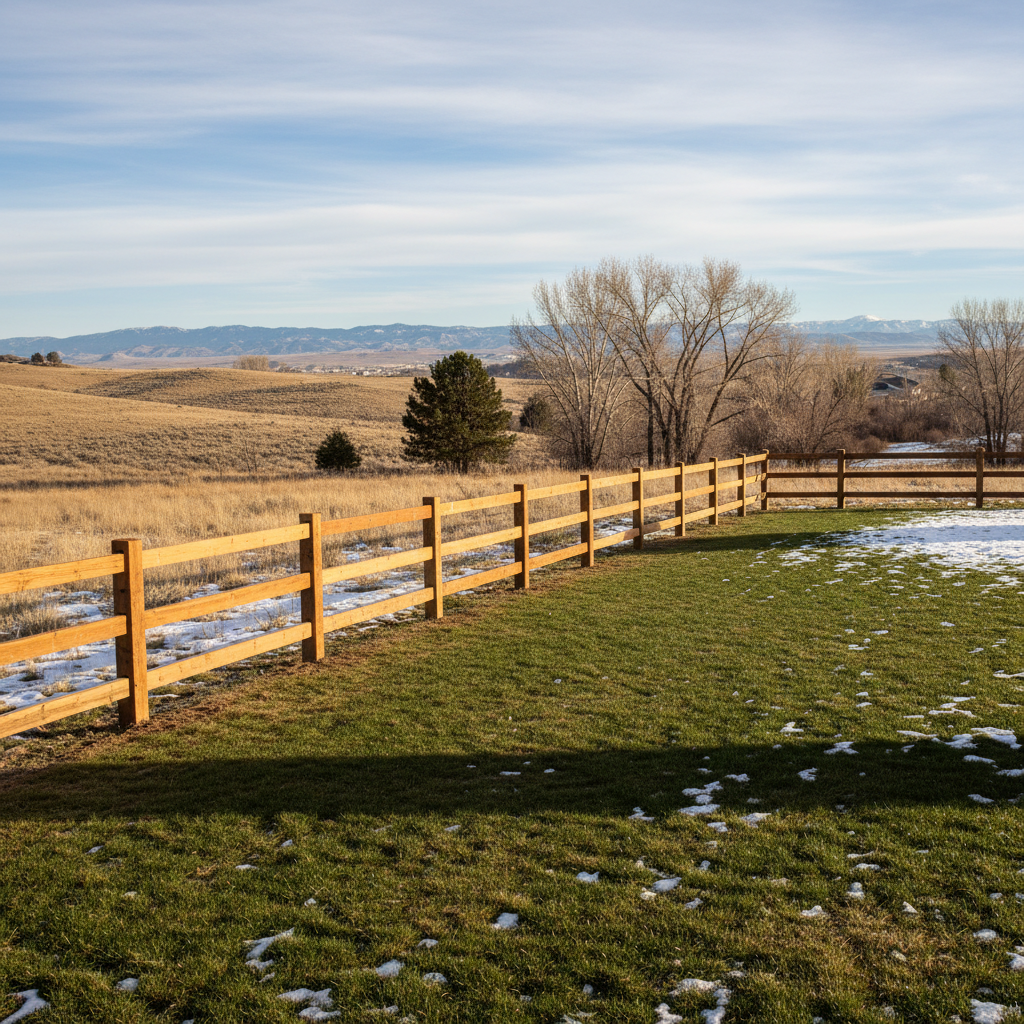
Farm fencing in Boise isn't just about keeping critters in or out; it's about building something that can stand up to our crazy weather. I've been doing this a long time with Oasis Fencing Co, and I've seen what works and what doesn't. You've got to think about the seasons here – they really impact when you should build and how you should maintain your fence.
When's the Best Time to Build a Farm Fence in Boise?
Honestly, spring and fall are your sweet spots for farm fence installation around Boise. Why? Because the ground's usually just right. In the spring, after the snow melts and things dry out a bit, the soil is workable but not bone dry and hard as a rock. You're not fighting frozen ground, and you're usually past the worst of the mud. This makes digging post holes a whole lot easier, ensuring a solid set.
Fall is also great. You've got cooler temperatures, which is way better for the crew than working in the scorching summer sun. The ground is still relatively soft from summer irrigation or early rains, but not saturated. Plus, getting it done in the fall means your fence is ready to go before winter sets in. No more worrying about livestock getting out when the spring thaw hits and everything gets muddy.
Summer can work, but it's tough. The ground gets incredibly hard, especially if you're out in areas with a lot of clay or compacted soil, like around Kuna or Star. Digging post holes becomes a serious workout, slowing down the whole process. Winter? Forget about it for new builds unless it's an absolute emergency and you're willing to pay for the extra effort of breaking through frozen ground. It's just not practical or cost-effective for a large farm fence project, plain and simple.
Weather Conditions That Affect Your Fence Work
Beyond just the season, specific weather conditions play a huge role. For farm fencing, we're talking about:
- Rain and Mud: A little rain is fine, but heavy, continuous rain turns the ground into a soupy mess. It's hard to get good compaction around posts, and equipment can get bogged down. Plus, working in deep mud is just miserable and slows everything down.
- Wind: Boise gets some serious wind, especially in the spring. Trying to stretch long runs of wire or put up panels in high winds is dangerous and inefficient. It's a safety hazard for my crew and can lead to a less-than-perfect installation.
- Extreme Heat: Like I said, summer heat makes the ground hard. It also makes working with certain materials, especially anything involving concrete, a challenge because it dries too fast. And for the crew, it's just plain exhausting and dangerous.
- Freezing Temperatures: If the ground is frozen solid, digging is nearly impossible without specialized (and expensive) equipment. Concrete won't cure properly in freezing temps either, which compromises the strength of your posts.
So, when you call us at Oasis Fencing Co, we'll always talk through the current and upcoming weather. We want to do the job right, and that means picking the best days for it.
Protecting Your Farm Fence Investment Year-Round
Once your fence is up, you're not done. A little regular maintenance goes a long way, especially with the temperature swings we see here in the Treasure Valley.
- Spring Check-Up: After the snow melts and the ground thaws, walk your fence line. Look for loose wires, leaning posts, or broken rails. The ground shifting during the freeze-thaw cycles can loosen things up, you know? Tighten any slack wires, re-secure loose fasteners, and make sure gates are still swinging freely and latching properly.
- Summer Watch: Keep an eye out for vegetation growing into or over your fence. Weeds and brush can put pressure on wires, especially electric fences, and can also hold moisture against wooden posts, leading to rot. Trim them back. Also, check for any animal damage – horses rubbing, cattle leaning, etc.
- Fall Prep: Before winter hits, give your fence another good inspection. Address any repairs you found in the summer. Make sure any wooden posts are treated if they need it, especially at the ground line. Clear away any debris that could get buried in snow and cause issues later.
- Winter Care: This is mostly about damage prevention. If you have snow drifts piling up against your fence, try to clear them if they're putting too much pressure on the structure. Heavy snow and ice can cause wires to sag or posts to lean. If you have electric fencing, make sure your charger is protected from the elements and functioning correctly.
Taking a little time each season to inspect and fix small issues will save you a lot of headache and money down the road. Your farm fence is a big investment, and here in Boise, it needs that extra attention to last.
Got Questions?
If you're thinking about a new farm fence or need help with repairs, don't hesitate to give us a call at Oasis Fencing Co. We're happy to come out, take a look, and give you honest advice. We know the local conditions, and we know how to build fences that last.